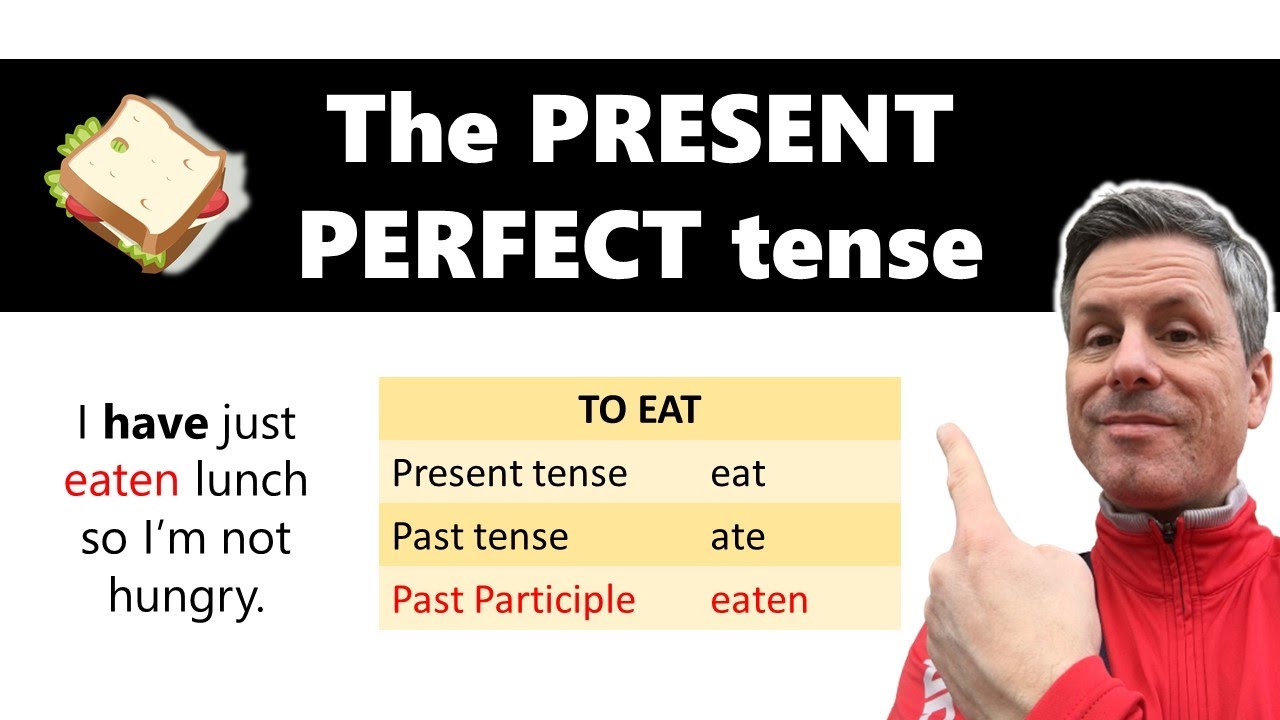
Present Perfect Tense English Grammar|Rules and Common Examples

In this video, we’ll provide an in-depth explanation of How to use the Present Perfect Tense English Grammar. This video was made for ESL students who want to learn Present Perfect Tense grammar. This grammar is important and can be confusing for people
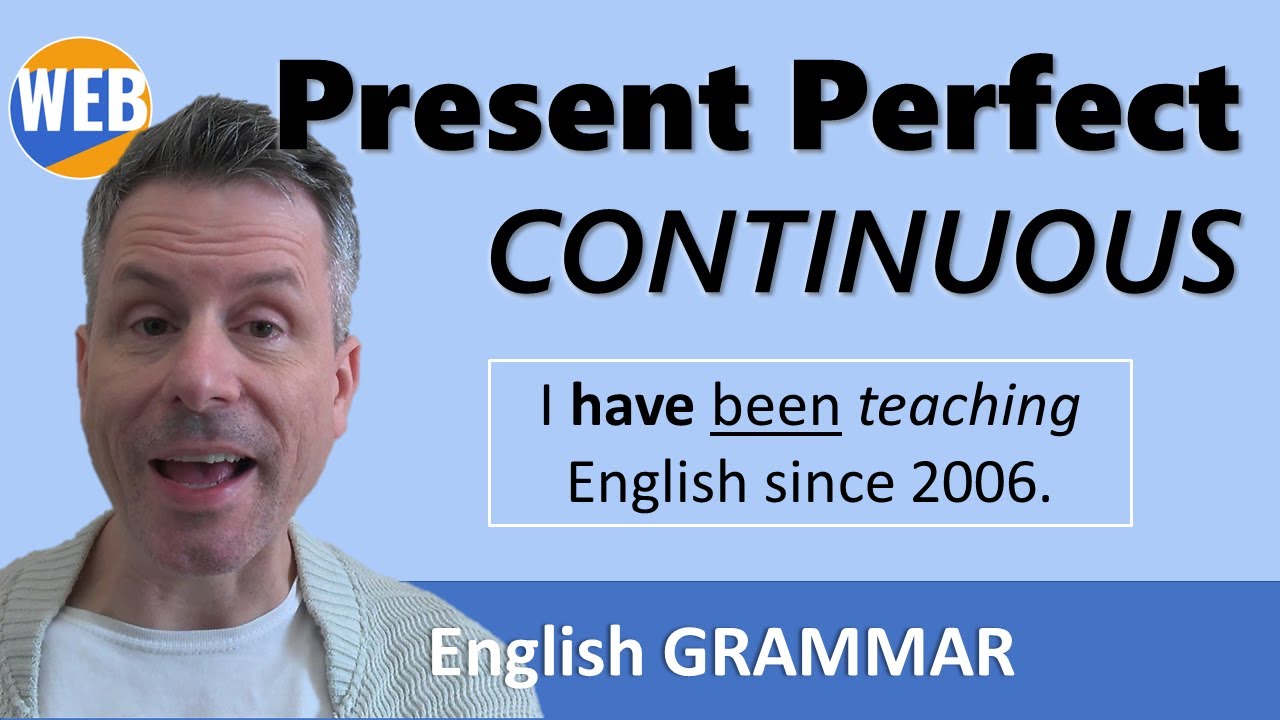
Learn Present Perfect continuous - Easy English Grammar
In this video, you will learn how to use present perfect continuous English grammar. Present Perfect continuous is ~ have/has + been + the continuous tense of a verb. This verb tense has a connection to events happening now. Blog post link: https://world
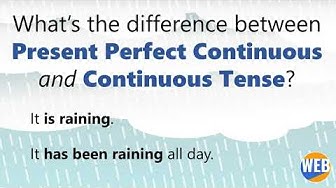
What’s the difference between Present Perfect Continuous and Continuous Tense?
In this video, I will explain the different pronunciations between the Present Perfect Continuous and the Continuous tense. Learn everything you need to know about the Present Perfect Continuous Tense l at my blog post ⬇️ ➨Blog post link: https://worlden

English Past Participles | How to use correctly
The past participle is a verb tense used with the Passive voice (was broken), the Perfect Tense (has broken), and sometimes used as an adjective (my phone is broken). Verbs that have a regular past tense form ending with _ed will use the same form for the
Transitive and Intransitive verbs 📃 Learn the difference!
I get lots of great questions from my students.. For example, “What is the difference between TRANSITIVE and INTRANSITIVE verbs?” A great question needs a great answer. This video will help you understand this grammar with lots of real transitive and int